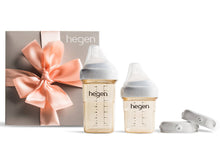
A bottle is the start of the setup. Keep spare nipples in the right flow, plus brushes and drying racks, in our feeding accessories collection. If you're pumping or combination feeding, our breastfeeding collection covers pumps, milk storage and nipple care.
Have a few soft bibs within reach for spills, and when solids begin, move on to plates, bowls and cups. Our feeding setup checklist covers what to prepare before your baby arrives, and the NurseNote feeding tracker helps you log feeds and amounts. You can also browse everything in our feeding collection.
Frequently Asked Questions
What is the safest material for baby bottles?
Glass, PPSU and food-grade silicone are all free of BPA, BPS and phthalates. Glass is inert and easy to sterilize but heavier and breakable. PPSU is lightweight and very heat resistant. Silicone is soft, squeezable and shatterproof. All three are good choices, so pick the one that suits your routine.
How many baby bottles do I need?
Around 6 to 8 bottles if you're formula feeding, and 3 to 4 if you're mainly breastfeeding with occasional bottles. Buy one or two first to check your baby takes to the nipple shape before committing to a full set.
What bottle size should I start with?
Start with small 4oz or 5oz bottles for newborns, since early feeds are small. Move up to 8oz or larger around 4 months, when feed volumes increase. Many brands use the same nipples across sizes, so you only replace the bottle.
When can I introduce a bottle to a breastfed baby?
Many lactation specialists suggest waiting until breastfeeding is well established, often around 3 to 4 weeks, then offering a bottle regularly so your baby stays used to it. Ask your pediatrician or a lactation consultant if feeding is not going smoothly.
When should I change the nipple flow?
Watch your baby rather than the label. Signs a faster flow may be needed include feeds taking much longer than usual, frustration at the bottle, or falling asleep mid-feed. Signs of too fast a flow include gulping, dribbling and coughing. Replace nipples every few months, or sooner if they're cracked or sticky.
How do I clean and sterilize baby bottles?
Wash bottles, nipples and caps in hot soapy water after every feed, using a dedicated brush, and rinse well. Sterilize everything before first use. Sterilizing daily is generally advised for babies under 3 months, babies born prematurely, and those with weakened immune systems.
What is paced bottle feeding?
Paced feeding means holding your baby more upright and keeping the bottle level, so they suck in short bursts with pauses rather than drinking continuously. It's closer to how breastfeeding works and can help with gulping and spit-up.
Do you offer free shipping and returns on baby bottles?
Yes. Every order ships free with hassle-free returns, and first-time customers get 15% off at checkout. See our shipping and returns pages for details. Check whether opened bottles and nipples can be returned for hygiene reasons.