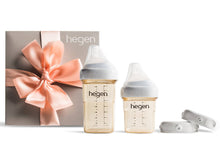
A bib is one piece of the mealtime setup. Pair it with non-toxic plates, bowls and spoons sized for small hands, and stock the cupboard with organic purees, cereals and snacks from our baby food range. For bottle feeds, browse our baby bottles and feeding accessories.
Bandana bibs are just as useful during teething, so keep a few alongside your teethers. Starting solids? Our starting solids checklist and toddler feeding checklist cover what you'll need, and the NurseNote feeding tracker helps you log meals. You can also browse everything in our feeding collection.
Frequently Asked Questions
When does my baby need a bib?
Drool bibs become useful from around 3 to 4 months, when teething drool starts soaking through clothes. Feeding bibs come in around 6 months with first solids, and stay in daily use through the toddler years.
What's the difference between a drool bib and a feeding bib?
A drool or bandana bib is a small, soft cotton triangle that absorbs dribble and looks like part of the outfit. A feeding bib is larger and wipeable, usually silicone with a pocket to catch dropped food. Most families need both.
How many bibs do I need?
Around 6 to 10 drool bibs for the teething months, since they're changed often, and 3 to 5 feeding bibs so there's always a clean one while others are drying. Silicone bibs wipe clean in seconds, so you need fewer of those.
Are silicone bibs better than cloth?
For meals, yes. Silicone wipes clean, doesn't absorb stains and catches what your baby drops, which suits self-feeding and baby-led weaning. Cloth is softer against the neck and better for drool, so it's worth having both.
What is a long sleeve bib?
A long sleeve bib, sometimes called a smock or coverall bib, covers the arms as well as the chest. It's the best choice for really messy meals, painting and anything involving yogurt.
When are disposable bibs useful?
For travel, restaurants, daycare and visits to family, where you don't want to carry a soiled bib home. Many parents keep a pack in the diaper bag alongside the reusable ones.
How do I clean baby bibs?
Most silicone bibs are dishwasher safe on the top rack. Organic cotton and muslin bibs can be machine washed with the rest of the laundry and air dried. Rinse food off silicone straight after meals so nothing dries on.
Should my baby wear a bib for sleep?
No. Take bibs off before naps and bedtime, and don't leave one on an unattended baby, since ties and fabric around the neck are a risk during sleep.
Do you offer free shipping and returns on baby bibs?
Yes. Every order ships free with hassle-free returns, and first-time customers get 10% off at checkout, up to a maximum discount of $75. See our shipping and returns pages for details.