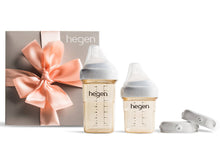
Accessories are what keep the rest of the feeding routine running. Pair brushes, racks and warmers with our baby bottles, and add plates, bowls, spoons and cups once solids begin. Freezer trays and travel containers make batch-prepped purees easy to portion alongside our baby food range.
If you're pumping, our breastfeeding collection covers pumps, milk storage and nipple care. Keep a few wipeable bibs within reach, and use our feeding setup checklist and NurseNote feeding tracker to stay organised. You can also browse everything in our feeding collection.
Frequently Asked Questions
Do I need a special bottle brush?
A dedicated bottle brush reaches the bottom and sides of a bottle in a way a dish sponge can't, and a narrow nipple brush cleans the teat properly. Keep the bottle brush separate from your regular washing-up sponge, and let it dry fully between uses.
How often should I replace bottle brushes and nipples?
Replace a bottle brush when the bristles splay or it starts to smell, usually every couple of months. Replace nipples every few months, or sooner if they're cracked, sticky, discolored or bitten.
Do I need a bottle warmer?
It isn't essential. You can warm a bottle in a jug of warm water. A warmer is faster and more consistent, which many parents appreciate at 3am. Never warm breast milk or formula in the microwave: it heats unevenly and can create hot spots that scald your baby's mouth. Always test the temperature on your wrist before feeding.
How should I store expressed breast milk?
As a general guide, freshly expressed milk keeps about 4 hours at room temperature, up to 4 days in the fridge, and around 6 months in a freezer (up to 12 months is acceptable). Store it in clean, sealed containers made for breast milk, label them with the date, and use the oldest first.
Is a baby food maker worth it?
If you plan to make most of your baby's food, a steamer-blender saves time by cooking and pureeing in one appliance, and it's easy to batch prep. If you mostly mash family food or use pouches, a regular steamer and blender will do the job.
How do I freeze and portion homemade baby food?
Fill a silicone freezer tray with purees, freeze, then pop the cubes into a labelled freezer bag. Portioning like this means you can thaw exactly what you need. Use frozen purees within the period recommended on the product page, and never refreeze thawed food.
Are these accessories dishwasher safe?
Most silicone and PPSU accessories are dishwasher safe on the top rack, and drying racks and brushes are usually best hand washed. Check the product page for each item, and always follow manufacturer instructions for appliances like warmers and food makers.
What should I take for feeding on the go?
An insulated bottle bag keeps bottles at temperature, and small silicone containers or a travel box hold snacks and finger foods. A diaper bag with insulated pockets covers most outings.
Do you offer free shipping and returns on feeding accessories?
Yes. Every order ships free with hassle-free returns, and first-time customers get 15% off at checkout. See our shipping and returns pages for details.