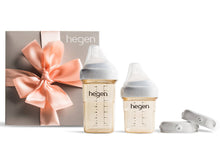
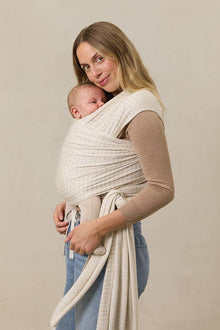
Feeding needs change quickly in the first two years, so we've organised everything by stage. In the early months, start with safe, easy-to-clean baby bottles in glass, silicone or PPSU, along with replacement nipples in different flow rates. If you're nursing or pumping, our breastfeeding collection covers pumps, milk storage and nursing care. For soothing between feeds, browse pacifiers and accessories made from natural rubber and medical-grade silicone.
When your baby is ready for solids, set up mealtimes with non-toxic plates, bowls, spoons and cups, and keep clothes clean with wipeable silicone and cotton bibs. Stock up on organic purees, cereals and snacks in our baby food collection, and find bottle brushes, drying racks, lunch packs and more in feeding accessories.
Not sure what you need yet? Our feeding setup checklist and starting solids checklist walk you through each stage, and the NurseNote feeding tracker helps you log feeds once your baby arrives.
Frequently Asked Questions
What is the safest material for baby bottles?
Borosilicate glass, food-grade silicone, PPSU and stainless steel are all BPA-free options with different strengths. Glass is inert and easy to sterilise but heavier, silicone is soft and shatterproof, and PPSU is lightweight and heat-resistant. Whatever you choose, look for bottles free of BPA, BPS and phthalates. Browse our baby bottles.
How many baby bottles do I need?
A common starting point is 6–8 bottles if you're formula feeding and 3–4 if you're mainly breastfeeding and bottle feeding occasionally. It's worth trying one or two styles before buying a full set, since babies can be picky about nipple shape.
When should I move to a faster nipple flow? (Heading 3)
Signs your baby may be ready include feeds taking much longer than usual, frustration during feeding, or the nipple collapsing as they suck. Always follow your baby's cues rather than age alone. Replace nipples every few months, or sooner if they're cracked, sticky or discoloured.
When can my baby start solid foods?
Most babies are ready for solids around 6 months, when they can sit up with support, hold their head steady and show interest in food. Check with your pediatrician before starting, especially if your baby was born early. Our baby food and tableware collections have what you need for first meals.
Is silicone safe for baby plates, bibs and cups?
Food-grade and medical-grade silicone is widely used for baby products because it's flexible, heat-resistant and doesn't contain BPA or phthalates. Quality varies, so look for products certified to food-contact standards such as LFGB. Birch verifies "100% silicone" claims before listing a product.
When should my baby start using a cup?
Many parents introduce an open cup or straw cup around 6 months, alongside solids. The American Academy of Pediatrics recommends moving off bottles by 12–18 months. Starting early with a training cup makes the switch easier.
Should I give my baby a pacifier?
Offering a pacifier at nap and bedtime is linked to a lower risk of SIDS. If you're breastfeeding, many experts suggest waiting until feeding is well established, often around 3–4 weeks. Never attach a pacifier with a cord around the neck; use a safety clip designed for pacifiers instead. Shop pacifiers and accessories.
Do you offer free shipping and returns on feeding products?
Yes. Every order ships free with hassle-free returns, and first-time customers get 15% off at checkout. See our shipping and returns pages for details.