First meals go better with a simple setup. A suction plate or bowl keeps dinner on the table, soft-tipped spoons are gentle on new gums, and a wipeable bib saves the laundry. Stock up on purees, cereals and snacks in our baby food collection.
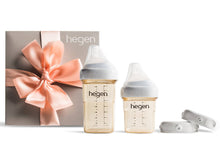
Still bottle feeding alongside solids? Browse our baby bottles and feeding accessories. Teething often overlaps with this stage, so keep a teether handy. Our starting solids checklist and toddler feeding checklist cover each stage, and the NurseNote feeding tracker helps you log meals. You can also browse everything in our feeding collection.
Frequently Asked Questions
When does my baby need plates, bowls and spoons?
Most babies are ready for solids around 6 months, when they can sit up with support, hold their head steady and show interest in food. Some products are labeled from 4 months, so check with your pediatrician before starting.
What tableware do I need for baby-led weaning?
Keep it simple: a suction plate or bowl, a couple of soft training spoons your baby can hold, and an open or straw cup for water. Baby-led weaning is mostly about finger foods, so you need less equipment than you might expect.
Do suction plates really stay put?
Good ones do, on smooth, flat surfaces like a wiped high chair tray or table. They won't grip textured or slatted surfaces, and most toddlers work out how to lift them eventually, but they buy you plenty of calm meals in the meantime.
Should I choose a sippy cup, a straw cup or an open cup?
Open cups and straw cups are generally preferred by speech and feeding specialists, because hard-spouted sippy cups encourage a different tongue position. A small open cup is great for practice with your help, while a straw cup is more practical for travel and daycare.
When should my baby start using a cup?
Many parents introduce a small open cup or straw cup around 6 months alongside solids. The American Academy of Pediatrics recommends moving off bottles by 12 to 18 months, so starting early makes that transition easier.
Are silicone plates and spoons safe?
Food-grade silicone is widely used for baby tableware because it's soft, heat-resistant and free of BPA and phthalates. Look for products certified to food-contact standards such as LFGB. Birch verifies "100% silicone" claims before listing a product.
How do I clean baby tableware?
Most silicone plates, bowls and spoons are dishwasher safe on the top rack, and many are also microwave safe. Check each product page, and rinse off food straight after meals so nothing dries into the suction base.
How many spoons and bowls do I need?
Around 4 to 6 spoons and 2 to 3 plates or bowls is plenty. Babies drop and throw a lot at first, so having spares means you're not washing up mid-meal.
Do you offer free shipping and returns on baby tableware?
Yes. Every order ships free with hassle-free returns, and first-time customers get 10% off at checkout, up to a maximum discount of $75. See our shipping and returns pages for details.